

Pharmaceutical Cold Chain Management
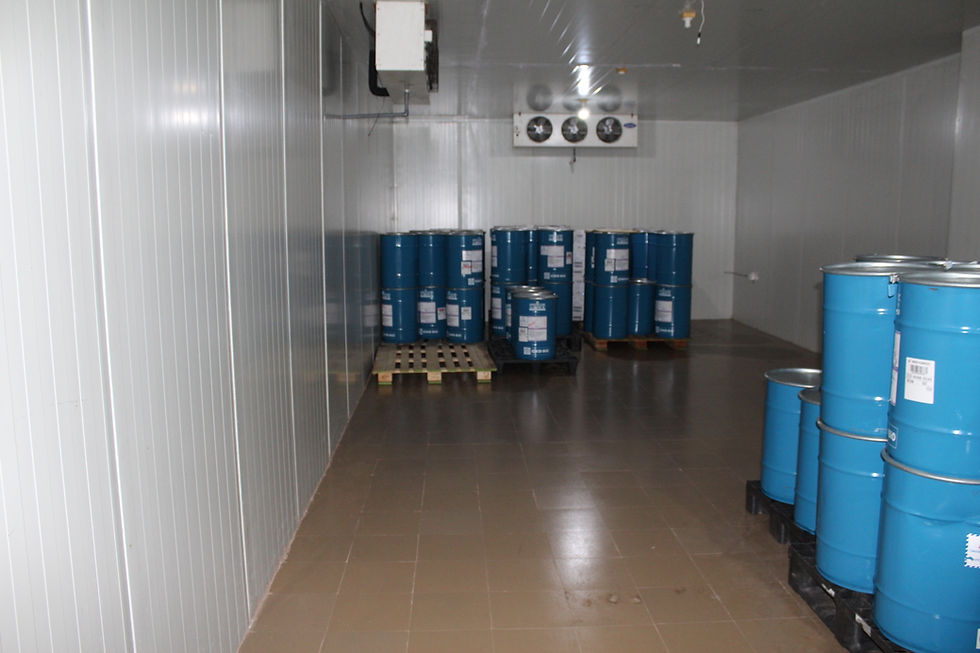
Medicines are essential for ensuring the health and well-being of human beings. They are used to cure, halt or prevent a disease or medical condition. The main purpose of the drug is to provide the desired effect to the patient. While the drug is being administered, the doctor assumes that the drug is as stated on the label. However, the actual medicine could be much different based on how it was treated in the supply chain.
The term “drug efficacy” refers to the “therapeutic effectiveness of the drug” in patients whereas the term “drug potency” refers to the “dosage or amount of drug needed to produce the desired effect” (Waldman, 2002). Drug efficacy and potency are critical for treatment as prescribed by doctors and cold chain disruptions can lead to a loss of drug efficacy.
A few critical points to be considered while designing a temperature-controlled solution are
1) Temperature and humidity control
2) Data logging and tracking
3) Location of the cargo
4) Risk management
5) Cold chain management
Nally, 2007, defines the cold chain as “the network of distribution channels, handling, and storage of temperature-sensitive medicines at an assured level of product strength, purity, potency, and efficacy for the end user.”
The cold chain is a network with procedures to maintain the temperature and humidity of interdependent equipment like cold rooms, shipping containers, refrigerators, and vehicles.
Pharmaceutical companies use refrigeration along with active and passive cooling technologies in packaging their products to ensure the cold chain remains unbroken.
The key issues limiting cold chain performance are (Ashok et al., 2017)
1. Inadequate capacity
2. Shortage of expertise and modern equipment
3. Deficient temperature systems
The cold chain network is complex and involves many uncontrolled variables. Therefore, the challenge is to develop a system that maintains proper temperature and humidity. The responsibility of ensuring a safe product rests with the pharmaceutical company that produces it.
References
1. Ashok, A., Brison, M., & LeTallec, Y. (2017). Improving cold chain systems: Challenges and solutions. Vaccine, 35(17), 2217-2223.
2. Nally, J. D. (2007). Good manufacturing practices for pharmaceuticals. CRC Press.
3. Waldman, S. A. (2002). Does potency predict clinical efficacy? Illustration through an antihistamine model. Annals of Allergy, Asthma & Immunology, 89(1), 7-12.


Comments